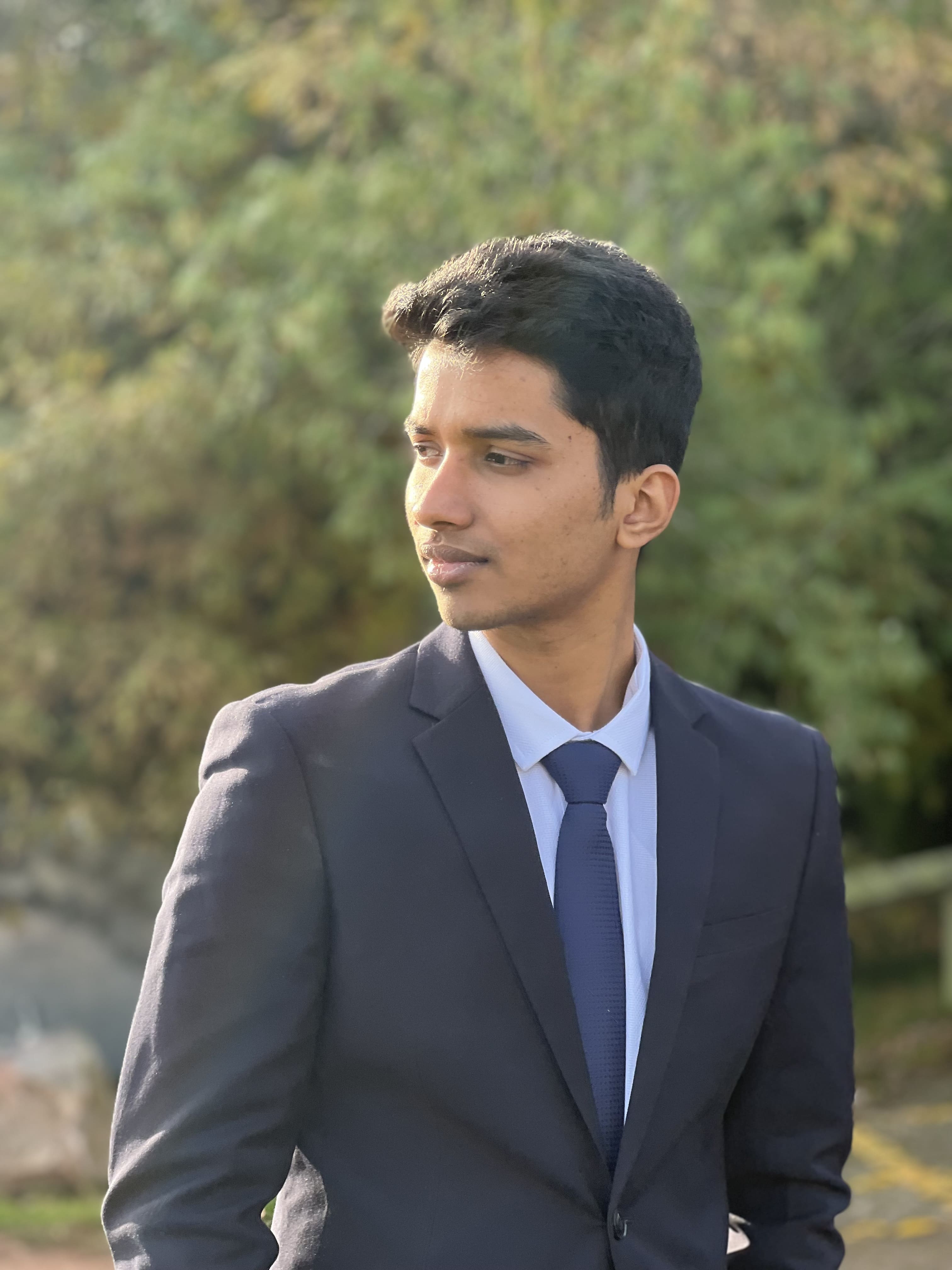
About me

I'm a UI/UX Designer with a track record of shipping products that measurably move the needle — from a food delivery app that ranked #3 in Kuwait's App Store at launch, to a broadband checkout redesign that lifted conversions by 30%.

My process starts with research. Before opening Figma, I run user interviews, map pain points, and define the problem worth solving. That groundwork is what separates design that looks good from design that actually works.

I've spent time in agile teams collaborating with engineers, product managers, and founders across mobile apps, SaaS platforms, and e-commerce. I bridge design and development — I prototype in Figma and build in React, which means I understand what's feasible and can speak both languages fluently.

I'm open to new projects and collaborations. If you're building something and need a designer who cares as much about outcomes as aesthetics — let's talk.

Get in touch View projects
Nikhil Kunnath

Skills & tools

My toolbox

Beyond design, I have hands-on experience across the full development stack — from cloud infrastructure to machine learning.

FigmaFigma Adobe XDAdobe XD PhotoshopPhotoshop IllustratorIllustrator Google AnalyticsGoogle Analytics HotjarHotjar ReactReact FirebaseFirebase Node.jsNode.js Google CloudGoogle Cloud DockerDocker AWSAWS WordPressWordPress PythonPython / ML

How I work

Principles that guide every project.

From the first research session to the final developer handoff — these are the values I bring to every brief.

Research before pixels

Before opening Figma I run user interviews, map behaviour, and define the real problem. Research isn't a phase I check off — it's how I make sure the thing I'm designing is worth building. The best design solutions I've delivered came from insights gathered before any screen was drawn.

Clarity over decoration

Clean, focused design that puts content and action first. I'm deliberate about every element — if something doesn't serve the user, it doesn't belong on the screen. A minimalist aesthetic isn't a style choice, it's a discipline that makes products faster, clearer, and more trustworthy.

Collaborate across every boundary

I work closely with developers, product managers, and clients throughout the process — not just at handoff. Understanding what's technically feasible shapes better design decisions, and bringing engineers in early means fewer surprises and faster builds.

Prototype early, iterate on evidence

I bring ideas to life before they feel finished, then test with real users as quickly as possible. What doesn't work surfaces fast. What does gets refined. I design in cycles — low-fi first, polish later — and keep iterating until the experience feels genuinely effortless.

Design to outcomes, not just aesthetics

I track conversions, task completion, and drop-off rates — and use those signals to keep improving after launch. The measure of any design is what it does for the people using it and the business behind it. Looking good is a minimum bar, not the goal.